ADVERTISEMENT
Essential Safety Tips for Travelling to Unfamiliar Cities
Travelling to new cities brings excitement, new sights, and fresh experiences. But it also means stepping into places where surroundings, people, and risks are different.
Staying safe while exploring unfamiliar cities needs planning, awareness, and common sense. Many people forget this and fall into trouble that could have been avoided. These tips serve as a reminder that safety is not a luxury but a necessity, whether travelling for work, study, or adventure.
Know Basic Facts Before Arriving
Before leaving home, learn about the city you're visiting. Learn about the safe neighbourhoods and the areas that may not be advisable to see, especially after dark. Study local customs and laws. Some cities have strict rules that surprise visitors. Knowing local emergency contacts, hospitals, and embassy addresses can make a significant difference in unexpected situations.
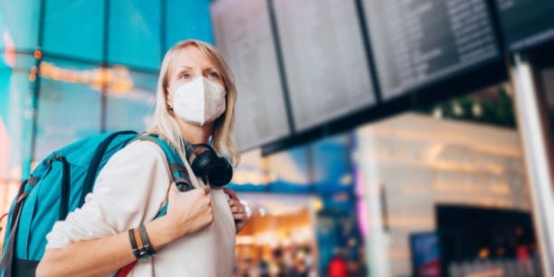
Travel insurance is also a wise choice. It can cover medical bills, lost luggage, and other problems that may arise during a trip. Many people ignore this until they find themselves stuck in a hospital with no way to pay. Reading trusted travel advisories helps visitors understand the risks and warnings associated with crime, unrest, or health issues. For example, the U.S. Department of State keeps updated notices for cities worldwide.
Keep Valuables Out of Sight
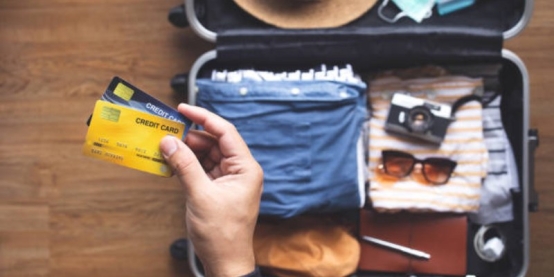
One common mistake travellers make is displaying money, jewellery, or expensive devices in public. This attracts pickpockets and petty thieves like flies to sugar. Keep cash in more than one place. Use a money belt or a hidden pouch to store important documents, such as passports and credit cards.
Do not keep all cash in one pocket or bag. If one stash gets stolen, the trip will not be ruined entirely. Using hotel safes for extra money and travel documents helps reduce the risk of loss. Some travellers carry a decoy wallet with a small amount of money to hand over in the event of a mugging. While this sounds extreme, it could protect the real cash and cards.
Choose Safe Transportation
Transportation scams are common in unfamiliar cities. Fake taxis, dishonest drivers, or strangers offering rides can cause problems. Stick to official taxis, trusted ride-hailing apps, or arranged transport from hotels. Before getting in a cab, agree on the fare if meters are not used.
Stay awake and alert during rides. Do not share rides with strangers who insist they are going in the same direction. Some visitors have ended up losing their belongings or worse because of trusting the wrong person on the road. Public transportation is cheaper, but it also has its risks. Avoid empty train carriages or bus stops late at night. Stay where other people are around, and keep your bags in front of you and zipped up.
Stay Alert in Crowded Spaces
Markets, festivals, and popular attractions bring crowds. Thieves love these places because it is easy to bump into a target and slip away unnoticed. Keep bags zipped and close to the body. Avoid putting phones or wallets in back pockets. Be aware of sudden distractions, like someone spilling a drink, asking for directions, or creating a scene. These tricks are often used to pick pockets while attention is elsewhere.
Carrying a small crossbody bag with sturdy straps makes snatching harder. Some travellers use anti-theft backpacks with lockable zippers and cut-proof straps for extra security.
Protect Digital Information
Safety is not just physical, but digital as well. Connecting to free public Wi-Fi in cafes, hotels, or airports may seem harmless, but it can pose significant risks. But hackers often target these networks to steal personal information and passwords.
Use a virtual private network (VPN) when logging into accounts or making online payments on public Wi-Fi. This protects sensitive information from spying eyes. Also, avoid using public computers for banking or shopping online.
Strong passwords and two-factor authentication provide an additional layer of security. Keep backup copies of important documents and tickets on a secure cloud or password-protected device.
Stay in Secure Accommodation
Where travellers stay plays a significant role in determining their safety. Always book hotels or rentals with good reviews and a proven track record of security. Look for doors with deadbolts, safes in rooms, and 24-hour front desks.
Lock doors and windows when inside. Do not open the door to unknown visitors. If someone claims to be hotel staff but something feels off, call the front desk to confirm before letting them in. Leaving the "Do Not Disturb" sign on the door can make it appear as if someone is inside, even when you're out exploring.
Blend In With the Locals
Standing out as a tourist makes travellers easy targets. Avoid wearing flashy clothes or carrying large maps. Walk with confidence and appear as if you know where you are going, even when you're lost.
When directions are needed, step into a shop or hotel to ask instead of stopping in the middle of the street. Limit using phones while walking, as this can distract and make someone an easy mark for snatch-and-run thieves. Learning a few basic local phrases is also helpful. It shows respect for the culture and can help get assistance faster when needed.
Trust Instincts and Stay Connected
Gut feelings are often right. If a place, person, or situation feels wrong, leave immediately. It is better to look silly than become a victim. Keep family or friends updated about travel plans. Share hotel names, flight numbers, and daily schedules if possible. Many travellers also utilise location-sharing features on their phones for added peace of mind.
For women, especially, some cities can have added risks. Travelling with a buddy or group can reduce the chance of becoming a target. Some apps and groups even offer real-time updates on safe zones or places to avoid.
Respect Local Health and Safety Rules
Health risks vary from city to city. Tap water may not be safe in some places. Drink bottled water or use purification tablets to ensure safe drinking water. Be mindful of street food hygiene. A tasty snack is not worth the days of stomach trouble it may cause. Check if vaccines are needed before visiting. Carry a basic first aid kit that includes painkillers, bandages, and any necessary personal medication.
During city travel, pollution can also be an issue. Wearing a mask or avoiding peak traffic times can protect against heavy smog in some busy urban areas. For trusted advice on vaccines and health risks, the Centres for Disease Control and Prevention shares detailed updates for different regions.
Learn From Local Experts
Some visitors think they know it all. However, local tour guides, hotel staff, and official city websites provide the best insider knowledge about where to go, when to go, and what to avoid. A good guide can point out common scams, provide safe shortcuts, and teach you how to behave respectfully.
Travel blogs, travel forums, and official tourism pages also share helpful tips. For trusted insights about safe travel habits, National Geographic often covers essential trends and expert advice for global travellers.
Stay Safe, Travel Smart
Travelling to new cities should bring joy and good memories, not regrets. Each step taken to stay safe means less Stress and fewer problems. Staying aware, planning, and respecting local ways help keep travellers out of avoidable trouble. The best trips are not just about the places seen but also about returning home safely to plan the next adventure.
Sources
U.S. Department of State Travel Advisories